



24. 写真と版画の融合:現代美術における写真製版の美学(第5部:現代美術における写真と版画の未来:デジタル時代のハイブリッド美学)
21世紀の深みへと足を踏み入れるにつれ、写真と版画との間の歴史的な対話は、ハイブリッド美学という格別の時代へと突入しました。かつてデジタル・メディアとクラシックな手仕事の職人技とを隔てていた境界線はもはや硬直したものではなく、現代の芸術家やマスター・プリンター(版画工房の職人)たちは、コンピュータのアルゴリズムと何世紀も続く物理的なプロセスとを滑らかに橋渡ししています。美術界はデジタル技術を伝統的な版画制作に対する脅威とみなすのではなく、前例のない創作の可能性を押し広げる触媒として肯定的に受け入れています。
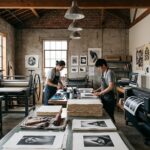
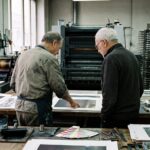
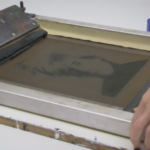
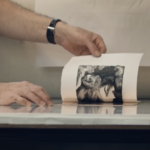
現代の版画工房では、高解像度のデジタル画像、レーザー刻印、3Dスキャニングなどの最新技術を、フォトグラヴュール、凸版印刷、石版画(リトグラフ)といった何世紀もの歴史を持つ技法と日常的に組み合わせています。たとえば、アーティストはデジタルカメラで複雑な光のデータを捉え、そのファイルを精密レーザーで金属版や木版へと直接エッチング(刻印)した上で、手作業でインクをのせ、手漉きのラグ紙へと最終的な刷り(インプレッション)を引き出します。この融合により、アーティストはデジタル・ピクセルの鮮明な構造情報を保持しながら、伝統的なインクや紙の繊維が持つ豊かで触覚的な温もりを最終的な物理的オブジェクトへと吹き込むことができるのです。
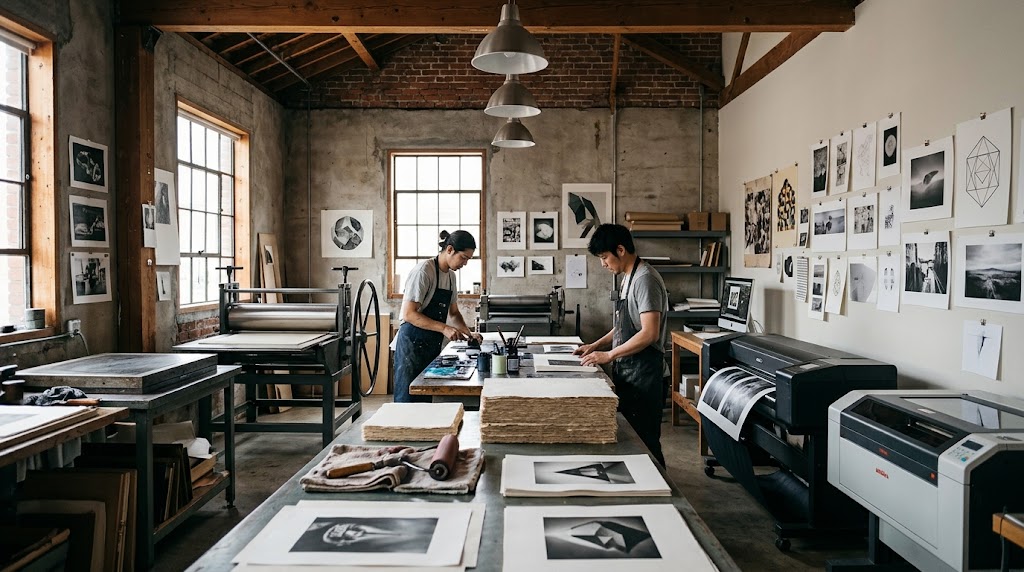
最終的に、19世紀の写真製版による機械的複製から21世紀のハイブリッド版画制作に至る軌跡は、人間の芸術制作におけるひとつの根本的な真実を明かしています。それは、テクノロジーが物理的な手仕事を過去の遺物(無用なもの)にするわけではないということです。バーチャルなピクセルを触覚的な物理的刷り物へと変換することで、現代の版画家たちは、写真を一瞬のデジタル画面から、持続的で多感官的な物理的存在へと引き上げ続けています。版画制作の未来は、 無限のデジタルな思考と手仕事による表面との調和の中にこそ存在するのです。
🔑 Key Vocabulary & Concepts
- Hybrid Aesthetics(ハイブリッド美学 / 複合的表現美学)
- デジタル技術(ピクセル、レーザー、アルゴリズム)とアナログ技術(銅版腐蝕、手漉き紙、インクの手刷り)とを意図的に融合・横断させる現代美術の造形アプローチ。
- Seamlessly bridge computer algorithms with ancient physical processes(アルゴリズムと古典的な物理的プロセスを滑らかに橋渡しする)
- 技術を対立させるのではなく、制作の初期工程にデジタルを取り入れ、定着や仕上げの工程に伝統的な手技を用いる連続的なプロセス。
- Render physical craft obsolete(物理的な手仕事を過去の遺物・無用なものにする)
- 「技術革新によって古い手仕事が廃れる」という一般的な固定観念。記事ではこれを否定し、技術がむしろ手仕事の可能性を広げる触媒になると論じています。
- Multi-sensory physical presence(多感官的な物理的存在)
- 画面(画面上の視覚情報)だけでは得られない、紙の凹凸感、インクの盛り上がり、匂い、重みなど、五感で触れることができる実体としての作品構造。
❓ Comprehension Quiz & Answers
- Q1: How does the modern art world view the relationship between digital technology and traditional printmaking?
- 正解: B) As a catalyst for hybrid aesthetics that seamlessly merges digital algorithms with classical physical craft.
- 解説: 第1段落の “the art world now embraces it as a catalyst for unprecedented creative possibilities… seamlessly bridge computer algorithms with ancient physical processes.”(デジタルと古典的な物理的手仕事とを滑らかに融合させる触媒)から読み取れます。
- Q2: Which of the following is given as an example of modern hybrid printmaking processes?
- 正解: A) Etching laser-engraved digital files onto plates and hand-inking them onto handmade rag papers.
- 解説: 第2段落の “etch the files directly onto metal or wooden plates using precision lasers, and then hand-ink and pull the final impressions on handmade rag papers.”(レーザーで版へ刻印し、手作業でインクをのせて手漉き紙に刷る)から読み取れます。
- Q3: According to the article, what is the ultimate significance of translating virtual pixels into physical print impressions?
- 正解: C) It elevates photography from a fleeting screen image into a lasting, tactile physical presence.
- 解説: 第3段落の “By translating virtual pixels into tangible impressions, contemporary printmakers continue to elevate photography from a fleeting digital screen into a lasting, multi-sensory physical presence.”(画面の一瞬の写真を持続的で触覚的な物理的存在へと高める)から読み取れます。
▼ Read in English (Click to expand)
024. The Future of Photography and Printmaking (Photo-Process Series – Part 5)
As we step deeper into the 21st century, the historic dialogue between photography and printmaking has entered an extraordinary era of hybrid aesthetics. The boundaries that once separated digital media from classical hand-craftsmanship are no longer rigid; instead, contemporary artists and master printers seamlessly bridge computer algorithms with ancient physical processes. Rather than viewing digital technology as a threat to traditional printmaking, the art world now embraces it as a catalyst for unprecedented creative possibilities.
Modern print studios routinely combine high-resolution digital imagery, laser engraving, and 3D scanning with centuries-old techniques like photogravure, relief printing, and stone lithography. For instance, artists can capture complex light data with digital cameras, etch the files directly onto metal or wooden plates using precision lasers, and then hand-ink and pull the final impressions on handmade rag papers. This synthesis allows artists to retain the sharp structural information of digital pixels while imbuing the final physical object with the rich, tactile warmth of traditional inks and paper fibers.
Ultimately, the trajectory from 19th-century photomechanical reproduction to 21st-century hybrid printmaking reveals a fundamental truth about human art-making: technology does not render physical craft obsolete. By translating virtual pixels into tangible impressions, contemporary printmakers continue to elevate photography from a fleeting digital screen into a lasting, multi-sensory physical presence. The future of printmaking lies precisely in this harmony between the digital mind and the handcrafted surface.
本記事の英語原文(読解クイズ付き)は、note.comの連載『アート系英文読解』で公開しています。アートの知識と一緒に英語力を身につけたい方は、ぜひ[こちら]から挑戦してみてください!
【筆者プロフィール&作品】
このコラムは、現代アーティスト・川田祐子が執筆しています。 実際の銅版画作品は、こちらのギャラリーサイトからご覧いただけます。 👉 https://kawadayuko.jp/printmaking/
