

004. ヘイターとアトリエ17

テーマ: 現代銅版画の革新者スタンリー・ウィリアム・ヘイター / アトリエ17 / 粘性印刷(Viscosity printing)

20世紀、銅版画は伝統的な職人技から現代美術のための動的な表現媒体へと劇的な変容を遂げました。この革命の中心人物となったのが、イギリスの芸術家であり化学者でもあったスタンリー・ウィリアム・ヘイター(1901–1988)です。1927年、彼はパリに「アトリエ17」として知られる伝説的な版画工房を設立しました。

ヘイターは、版画とは単に既存の絵画を複製するための手段ではなく、直接的な芸術的発見を行う独立した方法であると信じていました。アトリエ17はすぐに前衛(アヴァンギャルド)芸術家たちの国際的なハブ(拠点)となりました。パブロ・ピカソ、ジョアン・ミロ、ルイーズ・ブルジョワ、ジャクソン・ポロックといった巨匠たちが集まり、銅板を使った実験を行い、アイデアを共有しながら技術の限界を押し広げたのです。

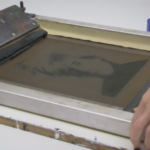
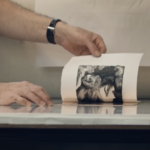
化学のバックグラウンドを持つヘイターは、版画に対して科学的なアプローチをとりました。彼の最も有名な技術的革新が粘性印刷(ヴィスコシティ・プリンティング / 一版多色摺り)です。この画期的な手法により、芸術家たちは単一の深く食刻(エッチング)された銅板の上に、異なる粘性(粘り気や油分)を持つインクを塗ることが可能になりました。プレス機に板を一度通すだけで、複数の色が互いに混ざり合うことなく鮮明に転写されたのです。
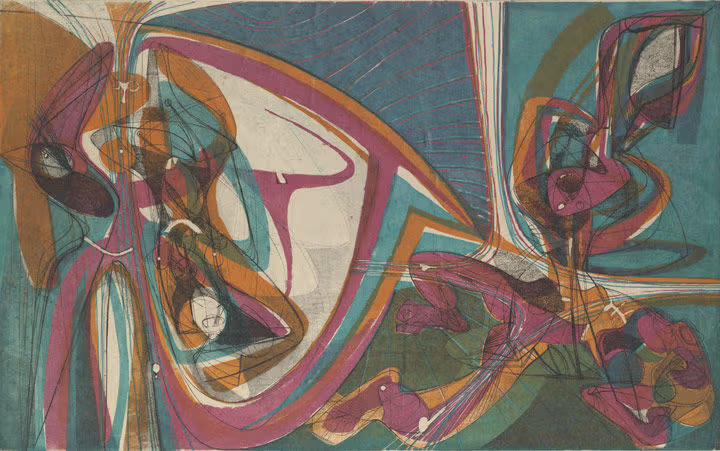
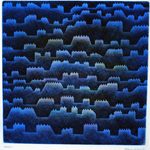
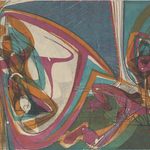
川田裕子による抽象的なプリント作品。ティール、マゼンタ、オレンジ、タン色の色調で、有機的な形と曲線が重なり合っています。.
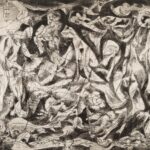
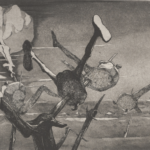
Stanley William Hayter (British, 1901–1988). Cinq Personnages, 1946. Engraving and soft-ground etching; simultaneous color printing with stencils, 14 15/16 x 24 in. (37.9 x 61 cm), Sheet: 20 1/8 x 23 3/16 in. (51.1 x 58.9 cm). The Metropolitan Museum of Art, New York, Gift of Paul F. Walter, 1980 (1980.1117.1) © 2016 Artists Rights Society (ARS), New York

第二次世界大戦が勃発すると、ヘイターは一時的にアトリエ17をニューヨークに移転しました。そこで彼は新世代の抽象表現主義者たちにインスピレーションを与え、アメリカの現代美術に深い影響を残しました。先見の明に満ちた教育と技術的発明を通じて、ヘイターは版画を「現代の抽象表現のための重要な実験場」として再定義したのです。


🔑 Key Vocabulary & Concepts

  • Atelier 17:アトリエ17(1927年にヘイターがパリで設立した現代版画工房。後にNYへ展開)
  • Avant-garde:前衛的な、アヴァンギャルド(実験的・革新的な芸術運動)
  • Viscosity printing:粘性印刷 / 一版多色摺り(インクの油分や固さの違いを利用し、1枚の版で一度に多色を刷る技法)
  • Bleed into each other:互いに滲み出る、色移りする(without bleeding into each other = 互いに交じることなく)
  • Abstract Expressionists:抽象表現主義者たち(ポロックなど、戦後アメリカの抽象絵画をリードした芸術家群)

❓ Comprehension Quiz & Answers

  • Q1: What was Stanley William Hayter’s belief about copperplate printmaking?
    • Answer: B) It was an independent method of direct artistic discovery, not just a reproduction tool.
    • Note: 単なる既存絵画の複製手段ではなく、直接的な芸術的発見を行う独立した方法であると信じていた。
  • Q2: What made “viscosity printing” such a revolutionary invention?
    • Answer: A) It allowed multiple colors to be printed in a single pass using inks of different oiliness/thickness.
    • Note: 異なる粘度のインクを使うことで、1枚の深彫り銅版から1回のプレスで複数色を鮮明に転写できた。
  • Q3: What happened when Atelier 17 moved to New York during World War II?
    • Answer: C) It influenced a new generation of American artists and Abstract Expressionists.
    • Note: 戦時中にNYへ移動したことで、アメリカの抽象表現主義などの新世代アーティストに大きな影響を与えた。


▼ Read in English (Click to expand)

004. Stanley William Hayter and Atelier 17

In the 20th century, copperplate printmaking underwent a dramatic transformation, shiftiyng from a traditional craft into a dynamic medium for modern art. The central figure behind this revolution was the British artist and chemist Stanley William Hayter (1901–1988). In 1927, he founded a legendary printmaking workshop in Paris known as Atelier 17.

Hayter believed that printmaking was not merely a way to reproduce existing paintings, but an independent method of direct artistic discovery. Atelier 17 quickly became an international hub for avant-garde artists. Masters like Pablo Picasso, Joan Miró, Louise Bourgeois, and Jackson Pollock gathered there to experiment with copper plates, sharing ideas and pushing technical boundaries.

With his background in chemistry, Hayter approached printmaking scientifically. His most famous technical innovation was viscosity printing (also known as simultaneous color printing). This revolutionary method allowed artists to apply inks of different viscosities (thickness and oiliness) onto a single deeply etched copper plate. By passing the plate through the press just once, multiple colors were transferred cleanly without bleeding into each other.

When World War II broke out, Hayter temporarily relocated Atelier 17 to New York. There, he inspired a new generation of Abstract Expressionists, leaving a profound impact on American modern art. Through his visionary teaching and technical inventions, Hayter redefined printmaking as a vital playground for modern abstraction.

本記事の英語原文(読解クイズ付き)は、note.comの連載『アート系英文読解』で公開しています。アートの知識と一緒に英語力を身につけたい方は、ぜひ[こちら]から挑戦してみてください!


【筆者プロフィール&作品】このコラムは、現代アーティスト・川田祐子が執筆しています。 実際の銅版画作品は、こちらのギャラリーサイトからご覧いただけます。 👉 https://kawadayuko.jp/printmaking/

1件のフィードバック

  1. 版画と抽象表現は、密接な関係があります。なぜならば、版を作る時に、ある程度整ったシンプルな表現が求められるからです。またシンプルだからこそ、他の要素で魅力を発揮する必要があります。これは何でも叶えられる絵画表現とは真逆なので、絵画制作と版画制作を行き来することは、アーティストにとって、多くのインスピレーションを得る経験になると思います。

コメントを残す

メールアドレスが公開されることはありません。 ※ が付いている欄は必須項目です