












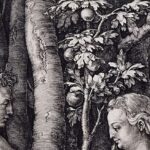
テーマ: 銅版画の主要技法(エングレーヴィング・エッチング・メゾチント・アクアチント)とその歴史的背景
何世紀にもわたり、銅版画は芸術家たちがより豊かな線、柔らかい影、そして絵画的なトーンを生み出すための新しい方法を追求する中で進化を遂げてきました。この情熱が4つの主要な凹版印刷技法の発明へとつながり、それぞれがユニークな視覚的質感を提示することとなったのです。
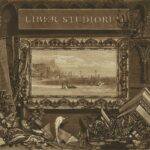
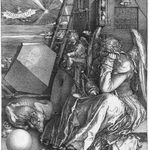
物語は15世紀のエングレーヴィング(彫版)から始まりました。芸術家たちはビュランと呼ばれる鋭利なスチール工具を使い、銅板に直接線を彫り込みました。これには膨大な肉体的労力と精度が必要であり、その結果として清廉でシャープな、格調高い線表現が生まれました。
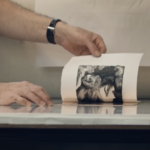
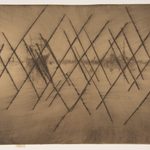
エングレーヴィングの硬さを克服するために、16世紀初頭にエッチング(腐食版画)が登場しました。手で削る代わりに、芸術家は銅板を耐酸性のワックス(グランド)で覆い、その上に針(ニードル)で自由に描画してから、板を酸に浸しました。酸が露出した金属を食刻(腐食)することで溝を作ったのです。この化学的プロセスにより、芸術家たちは紙に描くのと同じくらい流暢で伸びやかに描線を生み出すことができるようになりました。
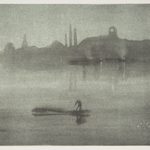
17世紀になると、芸術家たちは深い暗闇と豊かなトーン(明暗)のグラデーションを表現したいと考えました。これがメゾチントの誕生へとつながります。この技法では、まずロッカー(仏:ベルソー)と呼ばれる工具で銅板全体を荒らし、目立てをすることで、ベルベットのような漆黒の下地(グランド)を作ります。その後、削ったり(スクレイパー)磨いたり(バーニッシャー)することでハイライト(光)を浮かび上がらせ、暗部から明部へと描き進めていったのです。
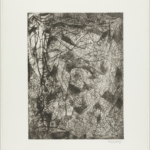
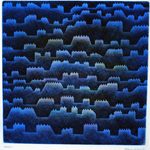
最後に18世紀、水彩画の繊細なぼかし(ウォッシュ)を捉えるためにアクアチントが発明されました。エッチングの前に溶かした松脂(まつやに)の粉末を板に撒くことで、芸術家たちは広範囲にわたって柔らかく粒子感のあるトーンを生み出すことが可能になりました。
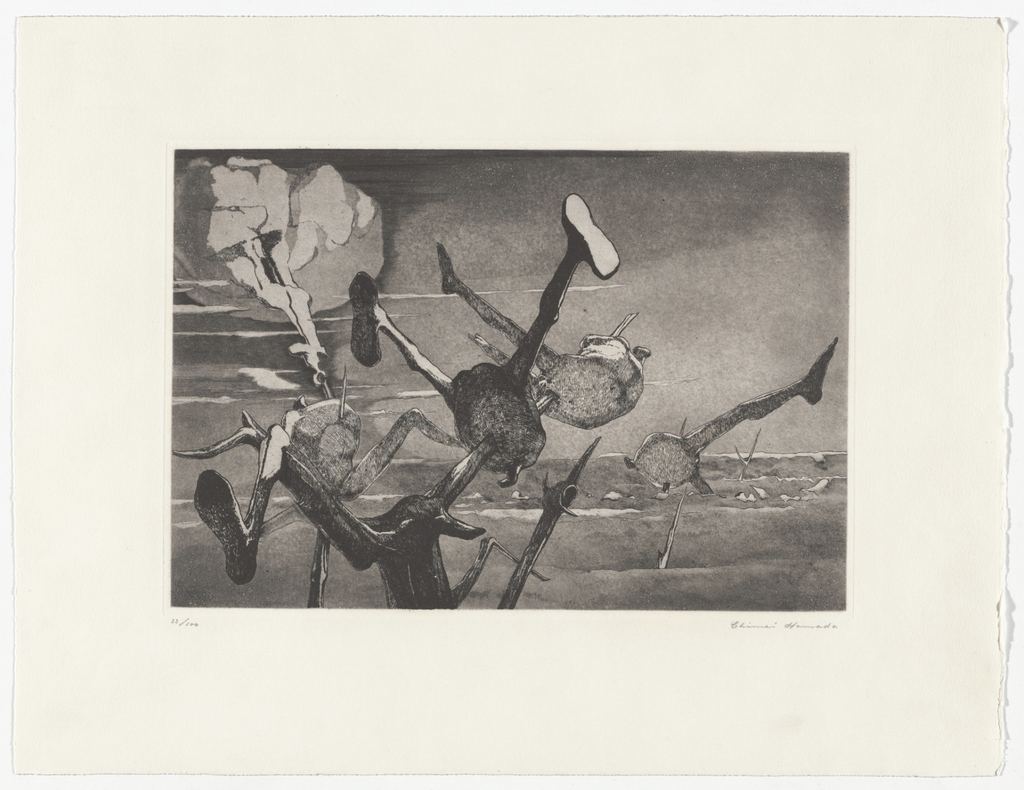
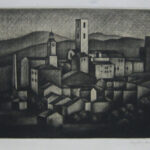
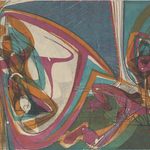
plate: 9 3/4 x 14 3/16″ (24.8 x 36.1 cm); sheet: 15 9/16 x 20 3/8″ (39.6 x 51.8 cm), ed.100
これら4つの技法が組み合わさることで、版画の表現の限界は大きく広がり、銅板は芸術的革新のための多角的なキャンバスへと変貌を遂げたのです。
🔑 Key Vocabulary & Concepts
- Engraving:エングレーヴィング(ビュランを用いて銅板に直接線を彫り込む技法)
- Etching:エッチング(酸の腐食作用を利用して自在な描線を生み出す化学的技法)
- Mezzotint:メゾチント(ロッカーで目を立てた漆黒の下地から、削り磨いて光を浮かび上がらせる技法)
- Aquatint:アクアチント(松脂の粉末を用いて、水彩画のようなぼかしや面のトーンを表現する技法)
- Bit into:腐食する、食刻する(酸が露呈した金属面を溶かす動作表現)
- Painterly tones:絵画的なトーン(単なる線表現を超えた、グラデーションや面による明暗表現)
❓ Comprehension Quiz & Answers
- Q1: エングレーヴィングに対する「エッチング」の最大の利点は何でしたか?
- 正解: B) It allowed artists to draw more fluidly and spontaneously using acid instead of heavy hand-carving.
- 第3段落の “Instead of carving by hand… allowed artists to draw as fluidly and spontaneously as drawing on paper.”(手で削る代わりに、紙に描くように流暢かつ伸びやかに描くことができた)から読み取れます。
- Q2: メゾチント技法では、どのようにして絵を作り出しましたか?
- 正解: C) By starting with a roughened dark background and scraping away areas to create highlights.
- 第4段落の “creating a dark, velvety black ground. Artists then scraped and burnished areas to reveal highlights, moving from dark to light.”(暗い下地から始まり、削ったり磨いたりして光を浮かび上がらせた)から読み取れます。
- Q3: 18世紀にアクアチントが発明された理由は何ですか?
- 正解: A) To create soft, grainy tones that resembled watercolor washes.
- 第5段落の “invented to capture the delicate washes of watercolor paintings… create soft, grainy tones across large areas.”(水彩画のぼかしを捉えるため、柔らかく粒子感のあるトーンを生み出した)から読み取れます。
