












029-B. コンセプチャル・アートの歴史:目に見える美から思考の芸術へ(第1部 補足編:デュシャンの受容と視覚芸術の復権)
現代のアメリカにおいて、マルセル・デュシャンのコンセプチュアルな遺産は、深い感銘と鋭い懐疑論の双方を引き起こしています。『泉』のような象徴的な作品はフィラデルフィア美術館のような主要な機関で称賛されている一方で、大衆の受け止め方は分かれたままです。多くの人々にとって、レディメイドは気の利いたポップカルチャーのアイコンや、芸術を視覚的快楽から批評的思考へと移行させた知的突破口として受け入れられています。しかし、一般的な観察者はしばしば冷ややかな無関心や、「自分にもできる」という懐疑的な言葉で反応し、伝統的な職人技の欠如を、知的な選択としてではなく技術的スキルの欠如として捉えています。
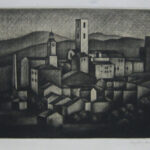
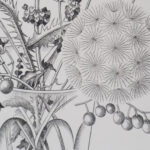
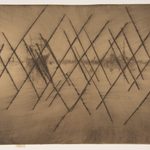
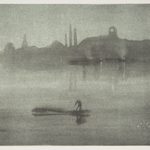
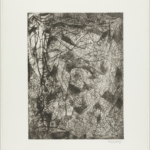
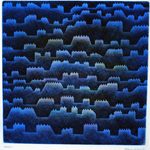
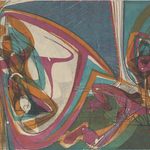
より重要なことに、デュシャンによる「網膜的芸術」の退けは、伝統的な視覚芸術の再評価を試みる現代の批評家、学者、実践的アーティストの間で活発な議論を巻き起こしました。批評家たちは、コンセプチュアリズムの優位性が物理的な手技、素材との身体的な関わり、そして手作業の熟達の価値を損なったと主張します。一部の反論者は、コンセプチュアル・アートが時に技術的欠如の隠れ蓑(シールド)として機能し、言語的説明を超える視覚的調和、光、触覚的な質感を通じて直接伝達される深い心理的・感情的な癒やしの力を見落としていると指摘します。
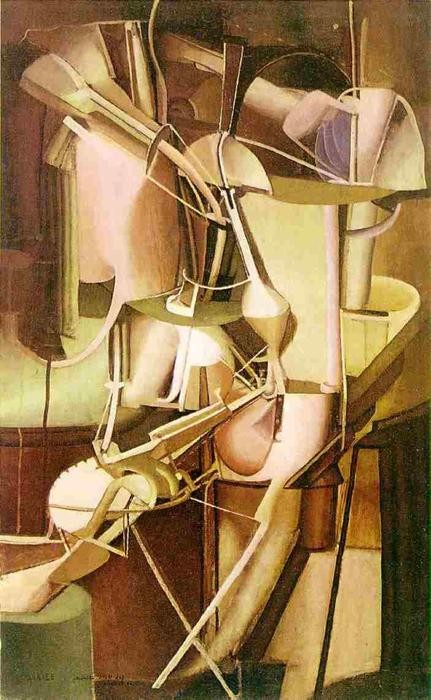
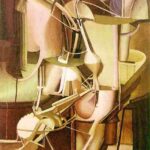
デュシャンが従来の油彩画を制作したのは主に1912年頃までであり、1918年の『Tu m’』を最後にキャンバス画から離れました。この転換以降、彼は「レディメイド」と呼ばれる作品——既製品そのもの、あるいはそれに僅かな手を加えただけの物体——を断片的に発表するようになります。近年の研究では、彼の代表的なレディメイドである『泉』について、ドイツのアヴァンギャルド芸術家でありダダイスト・詩人のエルザ・フォン・フライターク=ローリングホーフェンによって元々生み出された可能性が指摘されています。
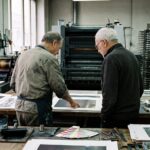
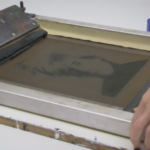
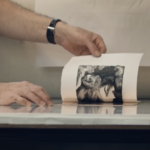
さらに、懐疑派は制度的権威に対するシステムの依存に疑問を呈し、レディメイドがその価値を検証するために学芸員、批評家、市場システムに大きく依存していることを指摘しています。今日ますます進むデジタル時代において、**「物質的実体(Objecthood)」**や物理的存在感への関心が強力に復活しています。純粋なコンセプチュアリズムに対する反対者たちは、本物の素材との物理的な対話を通じて生み出される絵画、版画、彫刻の触覚的な実在こそが、純粋な抽象的アイデアだけでは決して複製できない、ユニークでかけがえのない人間的体験を提供するのだと断言しています。
🔑 Key Vocabulary & Concepts
“I could do that” Effect(「自分にもできる」という視線)
技法や熟練の手技を伴わない現代美術・レディメイドに対し、技術的修練の欠如として冷ややかに捉える大衆的な反応。
Resurgence of Objecthood(物質的実体の復権)
デジタル化や概念優位の反動として、絵画・版画・彫刻などの「画面の肌触り」「物質としての実在感」が持つ一回性の価値を再評価する動き。
Tactile Reality & Bodily Engagement(触覚的な実在感と身体的関わり)
作家が自らの手と身体を使って素材(画材・版・紙など)と物理的に格闘し、生成される視覚的・触覚的な質感。
Shield for Technical Deficiency(技術の欠如の隠れ蓑)
コンセプチュアル・アートに対する批判的視点。「アイデア」や「文脈説明(キャプション)」に依存しすぎるあまり、造形的な基礎技術の不足を誤魔化す道具になり得るという指摘。
❓ Comprehension Quiz & Answers
Q1: How is Marcel Duchamp’s conceptual art generally received by the public in contemporary America?
正解: B) It is widely recognized, but perception is divided between intellectual praise and skeptical reactions like “I could do that.”
解説: 第1段落の “public perception remains divided. For many, readymades are embraced… However, casual observers often react with cold indifference or the skeptical refrain, ‘I could do that’…”(広く知られているが、知的な称賛と「自分にもできる」という懐疑的な反応に二分されている)から読み取れます。
Q2: What is a primary criticism raised by modern opponents regarding Duchamp’s rejection of “retinal art”?
正解: B) That it led to the neglect of craftsmanship, physical contact with materials, and the intuitive power of visual beauty.
解説: 第2段落の “dominance of conceptualism has diminished the value of physical craftsmanship, bodily engagement with materials… overlooking the profound psychological and emotional healing conveyed directly through visual harmony…”(手技や素材との身体的関わり、視覚的美しさが持つ直感的な力が軽視されるようになった)から読み取れます。
Q3: Why is the concept of “objecthood” and physical presence being re-evaluated today?
正解: A) Because in an increasingly digital era, the tactile reality of physical artworks offers an irreplaceable human experience.
解説: 第3段落の “In today’s increasingly digital age, there is a powerful resurgence of interest in ‘objecthood’… tactile reality of paintings, prints, and sculptures… offers a unique, unreplaceable human experience…”(デジタル化が進む現代において、物理的な作品の触覚的な実体感がかけがえのない人間的体験をもたらす)から読み取れます。
▼ Read in English (Click to expand)
029-B. Duchamp’s Reception and the Return of Visual Art (Conceptual Art Series – Part 1 Supplemental)
In contemporary America, Marcel Duchamp’s conceptual legacy evokes both profound admiration and sharp skepticism. While iconic works like Fountain are celebrated in major institutions like the Philadelphia Museum of Art, public perception remains divided. For many, readymades are embraced as clever pop-culture icons or intellectual breakthroughs that shifted art from optical pleasure to critical thought. However, casual observers often react with cold indifference or the skeptical refrain, “I could do that,” viewing the absence of traditional craftsmanship as a lack of technical skill rather than an intellectual choice.
More significantly, Duchamp’s dismissal of “retinal art” has sparked vigorous debate among modern critics, scholars, and practicing artists seeking to re-evaluate traditional visual art. Critics argue that the dominance of conceptualism has diminished the value of physical craftsmanship, bodily engagement with materials, and manual mastery. Some counter that conceptual art can sometimes serve as a shield for technical deficiency, overlooking the profound psychological and emotional healing conveyed directly through visual harmony, light, and tactile texture—qualities that transcend linguistic explanation.
Furthermore, skeptics question the system’s reliance on institutional authority, noting that readymades depend heavily on curators, critics, and market systems to validate their worth. In today’s increasingly digital age, there is a powerful resurgence of interest in “objecthood” and physical presence. Opponents of pure conceptualism assert that the tactile reality of paintings, prints, and sculptures—created through a physical dialogue with real materials—offers a unique, unreplaceable human experience that pure abstract ideas alone can never replicate.
本記事の英語原文(読解クイズ付き)は、note.comの連載『アート系英文読解』で公開しています。アートの知識と一緒に英語力を身につけたい方は、ぜひ[こちら]から挑戦してみてください!
【筆者プロフィール&作品】
このコラムは、現代アーティスト・川田祐子が執筆しています。 実際の銅版画作品は、こちらのギャラリーサイトからご覧いただけます。 👉 https://kawadayuko.jp/printmaking/
