033. コンセプチャル・アートの歴史:目に見える美から思考の芸術へ(第5部/完結編:概念と手仕事のハイブリッド表現 — アイ・ウェイウェイとウィリアム・ケントリッジ)
21世紀において、現代美術はデュシャン的なコンセプチュアル思考と物理的な手技(クラフト)の長年の隔たりを埋める、高度な統合(シナジー)へと到達しました。20世紀中盤のコンセプチュアリストたちが手作業の熟達を放棄することで「芸術の脱物質化」を追求したのに対し、今日の主要な表現者たちは、深遠な知的なアイデアと緻密な物理的制作が互いを排除し合うものではないことを証明しています。アイ・ウェイウェイ(1957–)やウィリアム・ケントリッジ(1955–)のようなアーティストたちは、並外れた肉的労働や伝統的な手仕事を、強力な社会・歴史・哲学的概念を運ぶ主要な媒介(メディア)として活用しています。
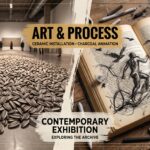
アイ・ウェイウェイのモニュメンタルなインスタレーション『ひまわりの種』(2010年)は、景徳鎮の伝統工芸職人たちによって一つひとつ手作業で作られ、手彩色された1億個もの等身大の陶磁器製の種で構成されていました。アイは既製品(レディメイド)をそのまま採用するのではなく、中国の伝統的な陶芸技術とコンセプチュアル・アートを融合させ、大量生産、個人と全体、そして地政学的歴史というテーマに問いを投げかけました。同様に、南アフリカのアーティストであるウィリアム・ケントリッジは、紙の上に描いた木炭画(チャコール・ドローイング)を「描いては消し、描き直す」という労力のかかるプロセスを通じてアニメーション映画を制作しています。手作業での消去の物理的な痕跡である、紙の上に残り続ける擦れや陰影(影の痕跡)は、人間の記憶の重なりや政治的歴史の残響を表す触覚的なメタファーとして機能しているのです。
ai weiwei sunflower seeds at the Tate
このハイブリッドなアプローチは、純粋なコンセプチュアリズムが無味乾燥で臨床的な学問主義に陥るリスクがあるという現代の批判に直接答えるものです。緻密な概念的探求と、強烈な身体的関わりおよび素材の実在感(Objecthood)を一体化させることで、これらのアーティストは思考と感覚の双方を捉える作品を生み出しています。最終的にこの統合は、手作業の熟達が概念を薄めるのではなく、素材との物理的な対話から生まれる触覚的な実体感こそが、背景にあるアイデアを無限に響き渡り、永続するものへと高めるのだということを証明しているのです。
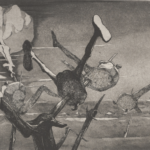
Exposição “William Kentridge: Fortuna” | Flipbook
🔑 Key Vocabulary & Concepts
- Synthesis of Concept and Craftsmanship(概念と手仕事の統合)
- アイデア(頭脳)と手わざ・素材感(身体)のどちらか一方を排除するのではなく、両者を高度に組み合わせて作品の密度を高める現代美術の到達点。
- Tactile Metaphor / Traces of Erasure(触覚的メタファー / 消去の痕跡)
- ウィリアム・ケントリッジのように、描いては消すという「物質的・身体的な手の跡」そのものを、記憶や歴史という概念の象徴として読み解く視点。
- Engaging the Mind and the Senses(頭脳と感覚の双方を捉える)
- キャプション(解説文)を読まないと理解できない文字通りのコンセプト・パズルを超え、皮膚感覚や美的な快楽と知的問いかけを同時に成立させる表現。
- Resonant and Enduring Ideas through Objecthood(物質感を通じた概念の共鳴と永続性)
- 物質としての本物の肌触りや手仕事の蓄積が加わることで、純粋な抽象的アイデアだけでは得られない強い存在感(Claim the room)と歴史的強靭さを獲得するという考え方。
❓ Comprehension Quiz & Answers
- Q1: How do artists like Ai Weiwei and William Kentridge challenge mid-twentieth-century “pure conceptualism”?
- 正解: B) By proving that profound intellectual concepts and meticulous physical craftsmanship can enrich each other.
- 解説: 第1段落の “today’s leading practitioners demonstrate that profound intellectual ideas and meticulous physical making are not mutually exclusive.”(知的なアイデアと緻密な手仕事は互いに排除し合うものではないことを示している)から読み取れます。
- Q2: What role do the smudges and erasure marks play in William Kentridge’s charcoal drawing animations?
- 正解: B) They serve as a tactile metaphor for the lingering layers of human memory and history.
- 解説: 第2段落の “The persistent smudges and residual shadows on the paper… serve as a tactile metaphor for the lingering layers of human memory and political history.”(紙に残る擦れや影の痕跡は、記憶や歴史の層を表す触覚的メタファーとして機能する)から読み取れます。
- Q3: According to the article, what is the ultimate strength of uniting deep conceptual inquiry with material presence (objecthood)?
- 正解: C) It engages both the intellect and the senses, rendering the underlying concept more resonant and enduring.
- 解説: 第3段落の “create works that engage both the mind and the senses… renders the underlying idea infinitely more resonant and enduring.”(思考と感覚の双方を捉え、概念をより響き渡り永続するものにする)から読み取れます。
▼ Read in English (Click to expand)
033. The Hybrid of Concept and Craftsmanship (Conceptual Art Series – Lesson 33 / Final)
In the twenty-first century, contemporary art has reached a sophisticated synthesis, bridging the long-standing divide between Duchampian conceptualism and physical craftsmanship. While mid-twentieth-century conceptualists sought the “dematerialization of art” by abandoning manual skill, today’s leading practitioners demonstrate that profound intellectual ideas and meticulous physical making are not mutually exclusive. Artists like Ai Weiwei (1957–) and William Kentridge (1955–) utilize extraordinary physical labor and traditional craft as primary vehicles for powerful social, historical, and philosophical concepts.
Ai Weiwei’s monumental installation Sunflower Seeds (2010) comprised one hundred million life-sized porcelain seeds, individually handcrafted and hand-painted by traditional Jingdezhen artisans. Far from adopting a readymade, Ai fused traditional Chinese ceramic craftsmanship with conceptual art, addressing themes of mass production, individualism, and geopolitical history. Similarly, South African artist William Kentridge creates animated films through a labor-intensive process of drawing, erasing, and redrawing charcoal figures on paper. The persistent smudges and residual shadows on the paper—the physical traces of manual erasure—serve as a tactile metaphor for the lingering layers of human memory and political history.
This hybrid approach directly addresses modern criticisms that pure conceptualism risks becoming dry or clinically academic. By uniting deep conceptual inquiry with intense physical engagement and material presence (objecthood), these artists create works that engage both the mind and the senses. Ultimately, this integration proves that craftsmanship does not dilute a concept; rather, the tactile reality of the artist’s physical dialogue with materials renders the underlying idea infinitely more resonant and enduring.
本記事の英語原文(読解クイズ付き)は、note.comの連載『アート系英文読解』で公開しています。アートの知識と一緒に英語力を身につけたい方は、ぜひ[こちら]から挑戦してみてください!
【筆者プロフィール&作品】
このコラムは、現代アーティスト・川田祐子が執筆しています。 実際の銅版画作品は、こちらのギャラリーサイトからご覧いただけます。 👉 https://kawadayuko.jp/printmaking/
