











016. 版画コレクションの歴史とジャポニスム(第3部:ポートフォリオ鑑賞から現代の版画コレクションへ)
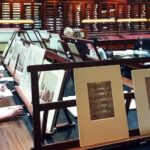
ルネサンス期の「版画室(プリント・キャビネット)」から19世紀の印象派たちによる浮世絵コレクションに至る、ポートフォリオに基づく鑑賞の伝統は、今日のファイン・アート収集の定義を根底から形作りました。パブリックな展示を目的とした額装絵画とは異なり、製本アルバムや保護用のソランダー・ボックス(保存箱)に集められた版画は、個人による触覚的・相互作用的な鑑賞スタイル(コンノサーシップ)を促します。この触覚的な伝統は、数世代にわたるコレクターたちに、単に主題(描かれた対象)によってではなく、用紙の質、インクの濃度、余白(マージン)の幅、手元で確認できる正確な線の状態といった物理的な特徴によって版画を評価することを教えてきました。
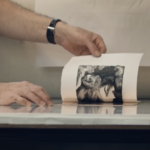
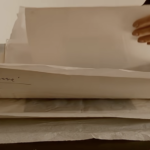
現代の版画市場において、この遺産は鑑識眼(コンノサーシップ)の実践を通じて受け継がれています。真の版画愛好家は、版画が五感で味わう多感的なオブジェクトであることを理解しています。手漉きの和紙や重量感のあるヨーロッパのラグ紙(布製用紙)に引かれた1枚の紙を手にとることで、コレクターは銅版や木版プレスによって残された微妙なへこみ(凹凸)を感じ取ることができます。これらの物理的な細部を間近で観察することは、異なる「ステート(制作過程における版の変化)」に関する重要な証拠を明らかにし、稀少な生前刷り(ライフタイム・インプレッション)と後世の死後復刻刷り(ポストヒューマス・レストライク)とを判別する鍵となります。
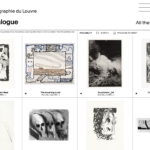
結局のところ、公的な壁面装飾から私的なポートフォリオ研究への歴史的転換は、版画収集を深く学術的な追究へと昇華させました。ルーヴルのカルコグラフィーのような公的アーカイブを通じるものであれ、綿密に構築された個人ポートフォリオを通じるものであれ、オリジナルの原版を文化遺産として保存することによって、版画の世界は何世紀もの芸術的クラフトマンシップと現代のコレクターの洗練された眼とを繋ぎ続けているのです。
🔑 Key Vocabulary & Concepts
- Tactile Tradition(触覚的な伝統)
- 作品を手にとり、紙の質感やインクの盛り上がり、プレス圧による凹凸(インデンテーション)を肌で感じながら愛でる鑑賞文化。
- Solander Box(ソランダー・ボックス)
- 版画や貴重な手稿を光やホコリから守るために用いられる、本型をした頑丈な保管用保護箱。
- States(ステート / 版の段階)
- 版画が完成に至るまで、あるいは出版後に作家の手で版に変更が加えられた各段階のこと。
- Scholarly Pursuit(学術的な追究)
- 単なるインテリアや資産所有を超えて、版の歴史、刷りの技術、紙の背景などを紐解いていく知的な探求行為。
❓ Comprehension Quiz & Answers
- Q1: How does portfolio-based appreciation differ from viewing framed paintings in a public gallery?
- 正解: B) Portfolio appreciation encourages a personal, tactile form of collecting focused on physical details like paper quality and ink depth.
- 解説: 第1段落の “Unlike framed paintings intended for public display, prints gathered in bound albums or protective solander boxes encourage a personal, interactive form of connoisseurship…” から読み取れます。
- Q2: Why is holding a physical print so important for modern print connoisseurs?
- 正解: A) It allows them to feel press indentations, examine paper textures, and distinguish subtle states or restrikes up close.
- 解説: 第2段落の “allows a collector to feel the subtle indentation left by the copperplate or woodblock press. Examining these physical details up close reveals vital evidence regarding different ‘states’…” から読み取れます。
- Q3: What was the ultimate historical legacy of shifting from public wall display to private portfolio study?
- 正解: C) It transformed print collecting into a scholarly pursuit that connects historical craftsmanship with modern connoisseurship.
- 解説: 第3段落の “transformed print collecting into a deeply scholarly pursuit… bridging centuries of artistic craft with the refined eye of the contemporary collector.” から読み取れます。
▼ Read in English (Click to expand)
016. From Portfolios to Modern Print Connoisseurship (Part 3)
The tradition of portfolio-based appreciation—from Renaissance print cabinets to the ukiyo-e collections of 19th-century Impressionists—fundamentally shaped how we define fine art collecting today. Unlike framed paintings intended for public display, prints gathered in bound albums or protective solander boxes encourage a personal, interactive form of connoisseurship. This tactile tradition taught generations of collectors to evaluate a print not merely by its subject matter, but by its physical characteristics: paper quality, ink saturation, margin width, and the exact condition of the printed line.
In the modern print market, this legacy endures through the practice of connoisseurship. True print enthusiasts understand that a print is a multi-sensory object. Holding a sheet pulled on handmade Japanese washi or heavyweight European rag paper allows a collector to feel the subtle indentation left by the copperplate or woodblock press. Examining these physical details up close reveals vital evidence regarding different “states” (changes made to the matrix during production) and distinguishes rare lifetime impressions from later posthumous restrikes.
Ultimately, the historical shift from public wall decoration to private portfolio study transformed print collecting into a deeply scholarly pursuit. By preserving original matrices as cultural heritage—whether through institutional archives like the Louvre’s Chalcographie or through carefully curated private portfolios—the world of printmaking continues to bridge centuries of artistic craft with the refined eye of the contemporary collector.
本記事の英語原文(読解クイズ付き)は、note.comの連載『アート系英文読解』で公開しています。アートの知識と一緒に英語力を身につけたい方は、ぜひ[こちら]から挑戦してみてください!
【筆者プロフィール&作品】
このコラムは、現代アーティスト・川田祐子が執筆しています。 実際の銅版画作品は、こちらのギャラリーサイトからご覧いただけます。 👉 https://kawadayuko.jp/printmaking/

1件のフィードバック
版画の良さは、手に持って直に触りながら用紙の風合いを確かめたり、細かい刷りの状態を顔の近くにまで寄せて確認できることです。額装して楽しむことも楽しみの一つですが、机上で広げて見つめる時間は、また鑑賞とは違う、研究や調査に近いような視線があります。作家は、素材の研究や絵具のマチエールにこだわりがありますから、そのような細部を確認したい衝動があります。知りたいことは、何でもネット検索とAIに聞く時代になりましたが、この部分がアートの領分として、ずっと愛され、大切にされて行くことでしょう。アートはAIに脅かされることはない、最後の砦だと私は思っているのです。