



015. 版画コレクションの歴史とジャポニスム(第2部:19世紀ジャポニスムの爆発と、印象派たちを魅了した浮世絵のポートフォリオ)
19世紀半ば、日本の開国によって数世紀に及ぶ鎖国が終わりを告げ、日本美術の大波が西洋世界へと押し寄せました。これによりジャポニスムとして知られる文化現象が巻き起こったのです。輸出されたこれらの美術品の中でも、日本の木版画(浮世絵)はヨーロッパの前衛芸術家たちの間で前例のないセンセーションを巻き起こしました。クロード・モネ、フィンセント・ファン・ゴッホ、エドガー・ドガといった巨匠画家たちは熱心なコレクターとなり、広重、北斎、歌麿といった巨匠による数百枚もの版画を収集しました。
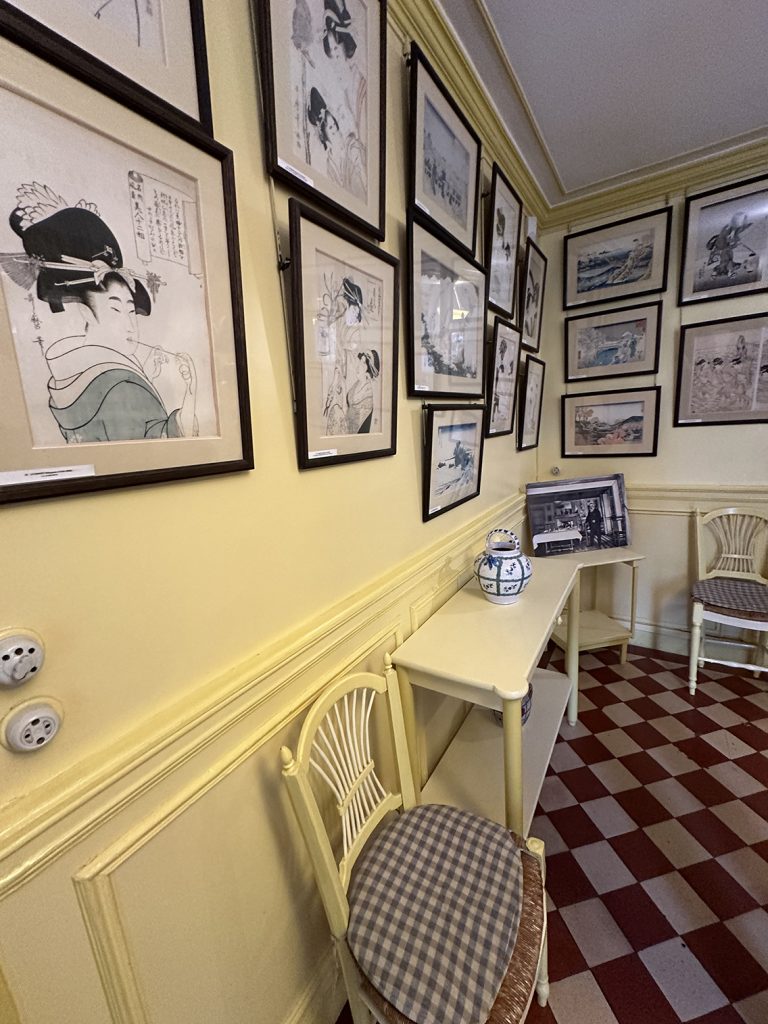
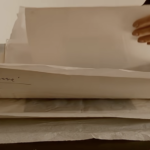
これらの芸術家たちにとって、浮世絵は西洋アカデミズム絵画の厳格な規範からの急進的な解放をもたらすものでした。日本の版画は、大胆な色の平面、劇的なフレームの切り取り(トリミング)、非対称の構図、そして伝統的な線遠近法の完全な欠如を大きな特徴としていました。決定的なことに、浮世絵はもともと一枚摺りや絵本として販売され、手元で楽しむ親密なメディアとして設計されていました。西洋の芸術家たちはこれらの版画を単に壁に飾るだけでなく、個人のポートフォリオにまとめ、アトリエで複雑な線描や空間の調和を間近で研究したのです。
浮世絵ポートフォリオとのこうした触覚的な関わりは、西洋の現代美術を根底から再構築しました。ゴッホは広重の版画を細部まで模写してその鮮やかな色彩関係をマスターし、ドガは北斎の動的な人物表現からインスピレーションを得て日常生活の描写に革命をもたらしました。日本の木版画の革命的な美学を自身の制作に取り入れることで、印象派の画家たちは、印刷された控えめな一枚の紙が世界的な芸術革命を誘発できることを証明してみせたのです。
🔑 Key Vocabulary & Concepts
- Japonisme(ジャポニスム)
- 19世紀後半にヨーロッパ(特にフランス)で巻き起こった日本美術・日本文化への熱狂的な愛好およびその影響。
- Asymmetric Compositions & Dramatic Cropping(非対称の構図と劇的なトリミング)
- 浮世絵が持つ独自の美学。画面の中心を外し、被写体をあえて画面端で大きく切り取る技法で、モネやドガらの構図概念を一変させました。
- Tactile Engagement(触覚的な関わり・手元での観察)
- 遠くから壁の絵を眺めるだけでなく、手元でアルバムやポートフォリオをめくり、紙の質感や線の描写を間近で観察・分析する鑑賞スタイル。
- Modest sheet of printed paper(控えめな枚の印刷紙)
- 巨大で重厚な油彩画に対して、大量印刷された安価な浮世絵が持つ親密さと、それが秘めた絶大な芸術的影響力の対比を表す表現。
❓ Comprehension Quiz & Answers
- Q1: What main characteristic of ukiyo-e prints fascinated European artists during the Japonisme movement?
- 正解: B) Radical compositions featuring flat planes of bold color, asymmetric framing, and dynamic cropping.
- 解説: 第2段落の “featured flat planes of bold color, dramatic cropping, asymmetric compositions…”(大胆な色の平面、劇的なトリミング、非対称の構図)から読み取れます。
- Q2: How did Impressionist artists like Van Gogh and Degas interact with their ukiyo-e collections?
- 正解: B) They compiled them into personal portfolios and studied the composition and line-work up close.
- 解説: 第2段落および第3段落の “compiled them into personal portfolios, studying the intricate line-work and spatial harmony up close in their studios.”(ポートフォリオにまとめ、アトリエで線描や空間の調和を間近で研究した)から読み取れます。
- Q3: What was the broader impact of ukiyo-e portfolios on late 19th-century Western art?
- 正解: C) They fundamentally reshaped modern art by inspiring new approaches to space, color, and composition.
- 解説: 第3段落の “fundamentally reshaped Western modern art… spark a global artistic revolution.”(西洋現代美術を根本から再構築し、世界的な芸術革命をもたらした)から読み取れます。
▼ Read in English (Click to expand)
015. Ukiyo-e and the Impressionist Craze (Part 2)
In the mid-19th century, the opening of Japan ended centuries of national isolation and unleashed a massive wave of Japanese art onto the Western world, triggering a cultural phenomenon known as Japonisme. Among these exported treasures, Japanese woodblock prints (ukiyo-e) caused an unprecedented sensation among European avant-garde artists. Master painters such as Claude Monet, Vincent van Gogh, and Edgar Degas became avid collectors, gathering hundreds of prints by masters like Hiroshige, Hokusai, and Utamaro.
For these artists, ukiyo-e offered a radical liberation from the rigid rules of Western academic painting. The Japanese prints featured flat planes of bold color, dramatic cropping, asymmetric compositions, and a complete absence of traditional linear perspective. Crucially, ukiyo-e was originally designed as an intimate, hand-held medium—often sold as loose sheets or bound in illustrated books (ehon). Western artists did not merely hang these prints on walls; they compiled them into personal portfolios, studying the intricate line-work and spatial harmony up close in their studios.
This tactile engagement with ukiyo-e portfolios fundamentally reshaped Western modern art. Van Gogh meticulously copied Hiroshige’s prints to master their vibrant color relationships, while Degas drew inspiration from Hokusai’s dynamic figures to revolutionize his depictions of everyday life. By integrating the revolutionary aesthetics of Japanese woodcuts into their own practices, the Impressionists proved that a modest sheet of printed paper could spark a global artistic revolution.
本記事の英語原文(読解クイズ付き)は、note.comの連載『アート系英文読解』で公開しています。アートの知識と一緒に英語力を身につけたい方は、ぜひ[こちら]から挑戦してみてください!
【筆者プロフィール&作品】
このコラムは、現代アーティスト・川田祐子が執筆しています。 実際の銅版画作品は、こちらのギャラリーサイトからご覧いただけます。 👉 https://kawadayuko.jp/printmaking/
