



035. 現代絵画の地平:概念・物質・視覚の再定義(第2部:肉体の生々しさとマテリアリティの極致 — ルシアン・フロイドとフランシス・ベーコン)
20世紀のコンセプチュアリストたちが芸術をアイデアやパフォーマンスへと脱物質化(消去)させた一方で、ロンドン派の2人の巨匠——ルシアン・フロイド(1922–2011)とフランシス・ベーコン(1909–1992)は、人間の肉体の生々しい重みと物理的な顔料の中に絵画を再び繋ぎとめました。装飾的な抽象も臨床的なコンセプチュアル思考も退け、両アーティストは油彩絵の具の固有の物理的特性を活用して、人間という存在の状況にある実存的な脆さ(脆弱性)を探求しました。彼らにとって、絵の具は単に身体を描写するための媒介ではありませんでした。むしろ、重厚な顔料のペーストそのものが、肉体そのものと同義となったのです。
ルシアン・フロイドは、強烈で執拗な観察を通じて肖像画にアプローチしました。クレムニッツ・ホワイトのような濃密で重厚な顔料と、硬い豚毛の筆を用いて、フロイドは皮膚の正確な質感、重み、そして不透明感を模した厚いインパスト(厚塗り)の表面を構築しました。絵の具のすべての筆致、スクラッチ、そして層は、物理的な時間の経過と、画家とモデルの間の強烈な心理的交流を記録していました。フロイドのキャンバスにおいて、絵の具の物理的実在(Objecthood)は、鑑賞者の物理的空間を支配する、紛れもない生々しい存在感を被写体へ与えています。
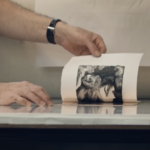
公式予告編 | ルシアン・フロイド:自画像(2020)
『ルシアン・フロイド:ある自画像』は、2020年1月14日より世界中の映画館で公開されました。
対照的に、フランシス・ベーコンは、コントロールされた暴力と歪曲を通じて、人間の存在の内なる動揺を捕らえました。写真や医学図鑑を出発点として使いながら、ベーコンは擦りつけ、擦削、そして偶然の飛沫を通じて絵の具を施し、人物と背景を意図的にぼかしました。ベーコンは油彩絵の具の予測不能な流動性を利用して、皮膚の下にある精神的なむき出しの神経を暴露したのです。フロイドとベーコンは共に、絵画が人間生活の肉体的実在感を伝える上で比類のない能力を保持していることを証明しました——それは、どのような写真やコンセプチュアルなテキストも決して複製できない、触覚的で身体的な共鳴なのです。
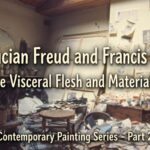
フランシス・ベーコンのアトリエと自宅 1961年 – 1992年
フランシス・ベーコンのアトリエ兼自宅 – ロンドン、リース・ミューズ7番地。 彼は1961年から1992年に亡くなるまで、この地に住み、数々の傑作を生み出しました。
🔑 Key Vocabulary & Concepts
- Pigment Synonymous with Flesh(肉体と同義である顔料)
- 単に「肉体の色や形を模写する道具」としてではなく、濃密な絵の具の重みや質感をそのまま「人間の皮膚や肉体の存在感」として提示するアプローチ。
- Dense Impasto & Relentless Observation(濃密なインパストと執拗な観察)
- ルシアン・フロイドの技法。豚毛の硬い筆とクレムニッツ・ホワイトなどの重い絵の具を層として積み重ね、画面をスクラッチするように時間の経過と肉体の質感(Objecthood)を刻み込むこと。
- Controlled Violence and Distortion(コントロールされた暴力と歪曲)
- フランシス・ベーコンの表現手法。油彩絵の具の流動性を生かして像を擦り消し、歪ませることで、外面の容姿ではなく「内面の痛みや神経の生々しさ」を定着させること。
- Corporeal Reality vs. Conceptual Text / Photographs(肉体的実在感 vs コンセプチュアル・テキスト / 写真)
- 写真の機械的な記録や概念的な言語表現に対する、絵画の優位性。画家の身体と画材の物理的格闘から生み出される触覚的・身体的共鳴(一回性の価値)。
❓ Comprehension Quiz & Answers
- Q1: How did Lucian Freud treat the relationship between oil paint pigment and human flesh?
- 正解: B) He built up thick impasto surfaces using heavy pigments, making the paint paste synonymous with the physical texture of flesh.
- 解説: 第2段落の “Freud built up dense impasto surfaces that mimicked the exact texture, weight, and opacity of skin… heavy paste of pigment became synonymous with flesh itself.”(重い顔料を用いて厚いインパストの表面を築き、絵の具のペーストを肉体の物理的質感と同義にした)から読み取れます。
- Q2: How did Francis Bacon utilize the physical properties of oil paint in his figure paintings?
- 正解: B) By exploiting accidental splashes, smudging, and scrubbing to reveal the internal psychological nerve beneath the skin.
- 解説: 第3段落の “Bacon applied paint through smudging, scrubbing, and accidental splashes… exploited the unpredictable fluidity of oil paint to expose the psychological raw nerve beneath the skin.”(擦りつけや擦削、偶然の飛沫を利用し、皮膚の下にある精神的な神経を暴露した)から読み取れます。
- Q3: According to the article, what fundamental truth did Freud and Bacon prove regarding the medium of painting?
- 正解: A) That painting remains unmatched in conveying the tactile, corporeal reality of human life that photographs or text cannot replicate.
- 解説: 第3段落の “proved that painting retains an unmatched capacity to convey the corporeal reality of human life—a tactile, bodily resonance that no photograph or conceptual text can ever replicate.”(写真やテキストが再現できない、人間の肉体的・触覚的な実在感を伝える上で絵画は比類のない能力を保持していることを証明した)から読み取れます。
▼ Read in English (Click to expand)
35. Lucian Freud and Francis Bacon — The Visceral Flesh and Materiality (Contemporary Painting Series – Part 2)
While twentieth-century conceptualists dematerialized art into ideas and performance, two giants of the School of London—Lucian Freud (1922–2011) and Francis Bacon (1909–1992)—re-anchored painting in the visceral weight of human flesh and physical pigment. Rejecting both decorative abstraction and clinical conceptualism, both artists utilized the unique material properties of oil paint to explore the existential vulnerability of the human condition. For them, paint was not merely a medium to describe a body; rather, the heavy paste of pigment became synonymous with flesh itself.
Lucian Freud approached portraiture through intense, relentless observation. Working with thick, heavy pigments like Cremnitz white and stiff hog-bristle brushes, Freud built up dense impasto surfaces that mimicked the exact texture, weight, and opacity of skin. Every stroke, scratch, and layer of paint recorded the physical passage of time and the intense psychological exchange between painter and sitter. In Freud’s canvases, the physical reality of paint (objecthood) bestows upon his subjects an undeniable, raw presence that commands the viewer’s physical space.
Conversely, Francis Bacon captured the internal turmoil of human existence through controlled violence and distortion. Using photographs and medical diagrams as departure points, Bacon applied paint through smudging, scrubbing, and accidental splashes, deliberately blurring figure and background. Bacon exploited the unpredictable fluidity of oil paint to expose the psychological raw nerve beneath the skin. Together, Freud and Bacon proved that painting retains an unmatched capacity to convey the corporeal reality of human life—a tactile, bodily resonance that no photograph or conceptual text can ever replicate.
補足解説
クレムニッツ・ホワイト(Cremnitz White / クレムニッツ白)は、伝統的な鉛白(リードホワイト / Lead White)の中でも、特に独特の重厚感と物理的特性を持つ油絵の具の最高峰の白色です。
オーストリアのクレムニッツ(Kremnitz、現在のスロバキアのクレムニツァ)周辺で生産されていた歴史的製法に由来しています。
1. 質感と発色:硬く重厚で、粘り気がある
ロー・リノシードオイル(生アマニ油)との組み合わせ: 一般的なシルバーホワイトなどがポピーオイル(ケシ油)で錬られるのに対し、クレムニッツ・ホワイトは伝統的に純粋な生アマニ油のみで錬られます。
圧倒的な粘りと速乾性: 糸を引くような粘り気(タッキーな質感)があり、筆のタッチやスクラッチした線の跡がそのまま立体的に固まります。
高い被覆力と重厚な透明感: チタニウムホワイトのような「冷たく不透明な白」とは異なり、鉛特有の「温かみのある重厚な白」で、光を吸い込むような深い屈折率を持っています。
2. ルシアン・フロイドや古典巨匠たちが愛用した理由
ルシアン・フロイドが人物の肌を描く際にクレムニッツ・ホワイトを熱狂的に愛用した理由は、その物質的な「重み」と「速乾性」にあります。
物質としての肌(Objecthood): 鉛白とアマニ油の強力な化学反応(金属ソープの形成)により、乾燥すると非常に硬く頑丈なフィルム(塗膜)を作ります。フロイドは硬い豚毛の筆でこの重いペーストを何層も積み重ね、人間の皮膚の質感、厚み、血通う重厚感をそのまま画面上に立体として構築しました。
レイヤーの強度: 下層が弛まず硬固に乾くため、上から絵の具をスクラッチしたり削ったりしても画面が崩れず、密度の高い地層を作り出すことができます。
3. 他の白色との違い(比較)
| 塗料名 | 主な特徴・質感 | フロイドや伝統画家たちの評価 |
クレムニッツ・ホワイト (Cremnitz White) | 鉛白+生アマニ油。 重く粘り気が強い。乾燥が早く、非常に硬い塗膜を作る。温かみのある白。 | 肉体の質感、強固なインパスト(厚塗り)、スクラッチやレイヤー表現に最適。 |
シルバー・ホワイト / フレンチ・ホワイト (Silver White) | 鉛白+ポピー油。 クレムニッツより柔らかく、黄変しにくい。滑らかな筆伸び。 | 柔らかなグラデーションや静物・風景に向く。 |
チタニウム・ホワイト (Titanium White) | 酸化チタン+油脂。 非常に強い不透明度と青みのある冷たい白。乾きは遅い。 | 現代的で強力な覆い隠し力があるが、クレムニッツのような有機的な肌感・速乾性はない。 |
※注意点として、鉛白(Basic Lead Carbonate)を主成分とするため毒性があり、近年は環境・健康上の理由から多くのメーカーで生産が制限されていますが、その独特の物質的強度(Objecthood)と質感から、表現に強いこだわりを持つ画家たちの間で今なお特別視されている伝統的な白です。
本記事の英語原文(読解クイズ付き)は、note.comの連載『アート系英文読解』で公開しています。アートの知識と一緒に英語力を身につけたい方は、ぜひ[こちら]から挑戦してみてください!
【筆者プロフィール&作品】
このコラムは、現代アーティスト・川田祐子が執筆しています。 実際の銅版画作品は、こちらのギャラリーサイトからご覧いただけます。 👉 https://kawadayuko.jp/printmaking/
