











034. 現代絵画の地平:概念・物質・視覚の再定義(第1部:絵画の復活 —「絵画の死」を超えて)
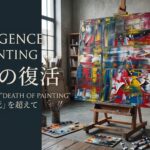
20世紀後半、コンセプチュアル・アート、パフォーマンス、そしてデジタルメディアの台頭により、多くの批評家が「絵画の死」を宣言するに至りました。批評家たちは、2次元のキャンバス作品は歴史的伝統や商業的物性に縛られた時代遅れのメディアであると主張したのです。しかし、絵画は消滅するどころか、現代美術において強力な復活を遂げました。概念主義や手仕事の熟達を拒絶するのではなく、現代の絵画は動的なハイブリッドへと進化しました。それは、厳密な知的探求と触覚的な物質の実在感(Objecthood)が互いを深く補い合う、独自の空間なのです。
現代の絵画家たちは、もはやキャンバスを単なる錯視的表象(イリュージョン)のための窓とは見なしていません。代わりに彼らは、画家自身の身体的関わり、時間、そして思考が永久に記録される自立した物理的表面として絵画にアプローチしています。ルシアン・フロイドの濃密で肉感的なインパスト(厚塗り)から、ゲルハルト・リヒターの機械的でありながら偶然性に導かれたスクイージー(ゴムベラ)のレイヤーに至るまで、絵画家たちは絵の具の物理的特性を活かして、私たちが現実をどう捉えているかに挑んでいます。アルゴリズムが支配する摩擦のないデジタルスクリーンの時代において、顔料の物理的実在——その質感、重み、光を吸収する痕跡——は、アルゴリズムでは複製できない、かけがえのない人間的体験を提供するのです。
Gerhard Richter Painting Official Trailer #1 (2012) HD
さらに、現代絵画は抽象的な哲学と物語的なストーリテリングの間の隔たりを埋めています。フレスコ画の古典技法からiPadドローイングに至る多様な伝統を統合することで、今日のアーティストたちは絵画が過去の静的な遺物ではなく、きわめて強靭なメディアであることを証明しています。最終的に、絵画の継続的な再発明は、人間が内なる思考、感覚的知覚、域を超えた物理的物質との関係を模索し続ける限り、キャンバスが芸術的発見の最も重要な場であり続けることを証明しているのです。
🔑 Key Vocabulary & Concepts
- The “Death of Painting” Discourse(「絵画の死」の言説)
- 20世紀後半、ミニマリズムやコンセプチュアル・アート、写真・映像の浸透に伴い、「キャンバスに絵を描く行為」は時代遅れになったと主張された批評的動向。
- Frictionless Digital Screens vs. Physical Reality of Pigment(摩擦のないデジタル画面 vs 顔料の物理的実在)
- 現代の視覚環境における対立軸。光を放つ平滑な画面に対し、絵の具の重み、油の皮膚感、光を吸収する肌触り(触覚性)が持つ一回性の価値。
- Autonomous Physical Surface(自立した物理的表面)
- キャンバスを「現実の景色を模倣する窓」としてではなく、画家の手仕事、身体運動、時間の経過が刻み込まれる独立した「物質の肌」として捉える視点。
- Resilient Hybrid Medium(強靭なハイブリッド・メディア)
- 思考(概念)と手わざ(クラフト/物質感)をどちらか一方に絞るのではなく、両者を高度に統合させて存続・変化し続ける現代絵画の特性。
❓ Comprehension Quiz & Answers
- Q1: Why did some art critics declare the “death of painting” in the late twentieth century?
- 正解: B) Because the rise of Conceptual Art, performance, and digital media made canvas painting seem obsolete.
- 解説: 第1段落の “the rise of Conceptual Art, performance, and digital media led many critics to declare the ‘death of painting’…”(コンセプチュアル・アートやパフォーマンス、デジタルメディアの台頭により「絵画の死」が宣言された)から読み取れます。
- Q2: How do contemporary artists view and approach the canvas today?
- 正解: B) As an autonomous physical surface where bodily engagement, time, and thought are permanently recorded.
- 解説: 第2段落の “they approach painting as an autonomous physical surface where the artist’s bodily engagement, time, and thought are permanently recorded.”(画家の身体的関わり、時間、思考が永久に記録される自立した物理的表面としてアプローチしている)から読み取れます。
- Q3: According to the article, what unique quality does the physical reality of paint offer in our digital age?
- 正解: B) It provides an irreplaceable human experience of texture, weight, and light that algorithms cannot replicate.
- 解説: 第2段落の “the physical reality of pigment—its texture, weight, and light-absorbing marks—offers an irreplaceable human experience that cannot be replicated by algorithms.”(顔料の質感や重み、光の吸入痕はアルゴリズムでは再現できないかけがえのない体験を提供する)から読み取れます。
▼ Read in English (Click to expand)
034. The Resurgence of Painting — Beyond the “Death of Painting” (Contemporary Painting Series – Part 1)
During the late twentieth century, the rise of Conceptual Art, performance, and digital media led many critics to declare the “death of painting.” Critics argued that two-dimensional canvas work was an obsolete medium bound to historical tradition and commercial objecthood. However, far from disappearing, painting has experienced a powerful resurgence in contemporary art. Rather than rejecting conceptualism or physical craftsmanship, modern painting has evolved into a dynamic hybrid—a unique space where rigorous intellectual inquiry and tactile material presence (objecthood) profoundly reinforce each other.
Contemporary painters no longer view the canvas merely as a window for illusionistic representation. Instead, they approach painting as an autonomous physical surface where the artist’s bodily engagement, time, and thought are permanently recorded. From the dense, visceral impasto of Lucian Freud to the mechanical yet chance-driven squeegee layers of Gerhard Richter, painters utilize the physical properties of paint to challenge how we perceive reality. In an age dominated by frictionless digital screens, the physical reality of pigment—its texture, weight, and light-absorbing marks—offers an irreplaceable human experience that cannot be replicated by algorithms.
Furthermore, contemporary painting bridges the gap between abstract philosophy and narrative storytelling. By integrating diverse traditions—ranging from classical fresco techniques to iPad drawings—today’s artists demonstrate that painting is not a static relic of the past, but an extraordinarily resilient medium. Ultimately, the ongoing reinvention of painting proves that as long as humans seek to negotiate the relationship between inner thought, sensory perception, and physical matter, the canvas remains one of the most vital sites of artistic discovery.
本記事の英語原文(読解クイズ付き)は、note.comの連載『アート系英文読解』で公開しています。アートの知識と一緒に英語力を身につけたい方は、ぜひ[こちら]から挑戦してみてください!
【筆者プロフィール&作品】
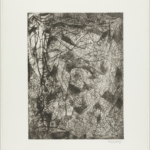
このコラムは、現代アーティスト・川田祐子が執筆しています。 実際の銅版画作品は、こちらのギャラリーサイトからご覧いただけます。 👉 https://kawadayuko.jp/printmaking/
