


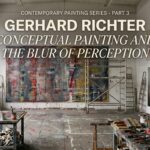


036. 現代絵画の地平:概念・物質・視覚の再定義(第3部:ゲルハルト・リヒター — 概念的絵画と視覚のブレ)
ドイツの巨匠**ゲルハルト・リヒター(1932–)**は、写真、現実、そしてコンセプチュアルな探求と絵画との関係を絶えず問い直すことで絵画を再定義し、現代美術で最も影響力のある人物のひとりとして広く評価されています。画家は単一のスタイルに固執しなければならないという観念を拒絶し、リヒターは数十年間にわたり、写真のようにリアルな「フォト・ペインティング」と、完全に解き放たれた「抽象画」の間を流動的に行き来してきました。この二重のアプローチを通じて、リヒターは単に像を生み出すだけでなく、絵画という行為そのものを厳密な概念的分析に晒しているのです。
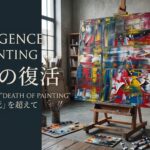
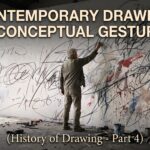
初期のフォト・ペインティングにおいて、リヒターは写真をキャンバスに投影して精密に描き、その後、柔らかいスクイージー(ゴムベラ)や乾いた筆を用いて濡れた絵の具を静かに擦ってぼかしました。この特徴的な「ブレ(Verwischung)」は写真からシャープな記録性を剥ぎ取り、現実が捉えがたく消え去っていくような不気味な空間を作り出しました。有名な抽象画(Abstrakte Bilder)において、リヒターは自作の巨大なスクイージーを用いて、巨大なキャンバス全体に重厚な油彩絵の具を引きずり、擦り削り、レイヤー(層)として重ねることで、このプロセスをさらに推し進めました。意識的な構図に頼るのではなく、リヒターは偶然性を受け入れ、スクイージーが移動するにつれて下層の絵の具が予期せず露出したり削り落とされたりするのを許容しています。
The Story of: Gerhard Richter (1932–Today)
リヒターの技法はキャンバス上に複雑な物理的地層(レイヤー)を作り出し、機械的な距離感と絵画的・触覚的な実在感(Objecthood)の間の隔たりを埋めています。明確で読み取りやすい像を求める私たちの欲望を挫くことで、リヒターは鑑賞者に対し、顔料の物理的実在と「見ることの仕組み」そのものに焦点を当てるよう強制します。最終的にリヒターは、コンセプチュアル・アートが絵の具の放棄を必要としないことを証明しています。代わりに絵画は、記憶、知覚、そして真実そのものの本質を検証するための究極の分析ツールとして機能し得るのです。
🔑 Key Vocabulary & Concepts
- Blur (Verwischung) as Conceptual Tool(概念ツールとしての「ブレ」)
- 写真の明瞭さを筆やベラで意図的にぼかすことで、画像の記録性を奪い、「私たちがみている現実の不確かさ」を提示するリヒター固有の表現手法。
- Squeegee Technique & Physical Stratigraphy(スクイージー技法と物理的地層)
- 自作のゴムベラで絵の具を塗りつけ、削り落とす行為。キャンバス上に偶然露呈する色のレイヤー(地層)を通じて、画家の主観を超えた物性(Objecthood)を立ち上げる。
- Frustrating the Desire for Legibility(読み取りやすさへの欲望の阻害)
- 鑑賞者が「何が描かれているか」という具象的意味を探ろうとする視線をあえて挫き、画面上の塗膜、重なり、色の物理的現実に視線を連れ戻す鑑賞構造。
- Painting as Analytical Tool(分析ツールとしての絵画)
- 絵画を単なる「美的な装飾」や「感情の吐露」としてではなく、写真メディアや記憶の構造、視覚知覚のメカニズムを解剖するための思考的装置として扱う視点。
❓ Comprehension Quiz & Answers
- Q1: What is the conceptual purpose of Gerhard Richter’s signature “blur” (Verwischung) in his Photo-Paintings?
- 正解: B) To strip the photograph of its sharp documentation and highlight the elusive nature of reality.
- 解説: 第2段落の “This signature ‘blur’ (Verwischung) stripped the photograph of its sharp documentation, creating an eerie space where reality feels elusive and fading.”(写真からシャープな記録性を剥ぎ取り、現実が捉えがたく消え去るような空間を作った)から読み取れます。
- Q2: How does Richter use large squeegees (rubber scrapers) in his Abstract Paintings (Abstrakte Bilder)?
- 正解: B) To drag, scrape, and layer oil paint, embracing chance as lower layers are exposed or erased.
- 解説: 第2段落の “drag, scrape, and layer thick oil paint across massive canvases… embraces chance, allowing lower layers of paint to be unexpectedly exposed or obliterated…”(絵の具を引きずり、擦り削り、重ねることで、下層の絵の具が露出し削落される偶然性を受け入れる)から読み取れます。
- Q3: According to the article, what key lesson does Richter’s work demonstrate regarding conceptual art and painting?
- 正解: B) That painting can serve as a powerful analytical tool to examine memory, perception, and truth without abandoning material paint.
- 解説: 第3段落の “conceptual art does not require the abandonment of paint; instead, painting can serve as the ultimate analytical tool to examine memory, perception, and the nature of truth itself.”(コンセプチュアル・アートは絵の具の放棄を必要とせず、絵画が記憶や知覚、真実を検証する分析ツールとなり得ることを示した)から読み取れます。
▼ Read in English (Click to expand)
036. Gerhard Richter — Conceptual Painting and the Blur of Perception (Contemporary Painting Series – Part 3)
German master Gerhard Richter (1932–) is widely regarded as one of the most influential figures in contemporary art, having reinvented painting by constantly questioning its relationship with photography, reality, and conceptual inquiry. Rejecting the notion that a painter must stick to a single style, Richter has spent decades moving fluidly between photorealistic “Photo-Paintings” and completely uninhibited “Abstract Paintings.” Through this dual approach, Richter does not merely produce images; he subjects the act of painting itself to rigorous conceptual analysis.
In his early Photo-Paintings, Richter projected photographs onto canvas, painted them precisely, and then used a soft squeegee or dry brush to gently smear the wet paint. This signature “blur” (Verwischung) stripped the photograph of its sharp documentation, creating an eerie space where reality feels elusive and fading. In his celebrated Abstract Paintings (Abstrakte Bilder), Richter took this process further by using large, homemade squeegees to drag, scrape, and layer thick oil paint across massive canvases. Rather than relying on conscious composition, Richter embraces chance, allowing lower layers of paint to be unexpectedly exposed or obliterated as the squeegee moves.
Richter’s technique creates a complex physical stratigraphy (layers) on the canvas, bridging the gap between mechanical detachment and painterly tactile presence (objecthood). By frustrating our desire to find a clear, readable image, Richter forces the viewer to focus on the physical reality of pigment and the mechanics of seeing. Ultimately, Richter proves that conceptual art does not require the abandonment of paint; instead, painting can serve as the ultimate analytical tool to examine memory, perception, and the nature of truth itself.
本記事の英語原文(読解クイズ付き)は、note.comの連載『アート系英文読解』で公開しています。アートの知識と一緒に英語力を身につけたい方は、ぜひ[こちら]から挑戦してみてください!
【筆者プロフィール&作品】
このコラムは、現代アーティスト・川田祐子が執筆しています。 実際の銅版画作品は、こちらのギャラリーサイトからご覧いただけます。 👉 https://kawadayuko.jp/printmaking/
