














038. 現代絵画の地平:概念・物質・視覚の再定義(第5部/完結編:バルテュスと静止した時間 — 現代の視覚空間に対する古典的抗議)
目まぐるしい芸術運動、デジタルのスピード、そして消費される画像が支配する時代において、フランスの画家バルテュス(1908–2001)は急進的な孤立の道を選び、古典的伝統の緩やかで緻密な熟達の中に抵抗を見出しました。抽象や過激なコンセプチュアリズムといった現代の流行に調和することを拒み、バルテュスはピエロ・デラ・フランチェスカの初期ルネサンスのフレスコ画へと目を向けました。厳密な幾何学的構造と素材に対する並外れた触覚的感性を組み合わせることで、バルテュスは時間が完全に、そして神秘的に停止したかのように見える独自の視覚世界を作り上げたのです。
バルテュスの絵画は、その重厚で石のような表面質感(Objecthood)で知られています。彼は古代のフレスコ画の風化した光吸入特性を意識的に模倣し、厚い地塗りと乾燥したチョーク状の絵の具の多層化によってキャンバスを準備しました。これらの静寂な室内や風景の中で、彼の描く人物たちは一時停止された生(Stasis)の状態の中に存在しています。あらゆるジェスチャー、影、そして建築的ラインが非常に正確に均衡を保っているため、鑑賞者はスピードを落とし、現代生活の狂乱的なペースから足を踏み出して、深い思索と不気味な静寂の領域へと入ることを強制されます。
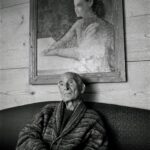
BALTHUS Paintings
Balthasar Klossowski de Rola (February 29, 1908 – February 18, 2001),
known as Balthus, was a Polish-French modern artist.
物理的な手仕事の熟達と時を超える落ち着きに対するバルテュスの献身は、現代の視覚文化に対するきわめて重要な批判を提供しています。彼は、真の芸術的革新が必ずしも新しいデジタルツールの発明や大声のアヴァンギャルドなスローガンの採用を必要としないことを証明しました。代わりに、顔料、光、アンドキャンバスとの物理的な対話を深めることで、バルテュスは伝統的な具象絵画が空間を支配し、人間の存在の静かな尊厳を保持するための永続的な力を保持していることを証明したのです。
🔑 Key Vocabulary & Concepts
- Fresco-like Surface & Objecthood(フレスコ状の表面と物性)
- 厚い地塗りと乾いた絵の具の重ね塗りにより、古代の壁画のような光を吸い込む質感を作り出し、絵画を「平滑な画像」ではなく触覚的な「物質(オブジェクト)」として提示する技法。
- Timeless Stasis / Suspended Animation(時を超える静止 / 凍結された時間)
- 構図、人物のポーズ、光と影の配置を極限まで計算し尽くすことで、運動の途中で時間が永久にフリーズしたかのような緊張感と静寂を生み出す表現。
- Classical Mastery as Modern Resistance(現代への抵抗としての古典的手技)
- 新しいテクノロジーや流行のスタイルを追うことだけが革新ではなく、伝統的な手仕事の深掘りこそが、現代の目まぐるしい視覚環境に対するもっとも強烈な批評(抗議)となり得るという思考。
- Physical Dialogue with Pigment and Light(顔料・光との物理的対話)
- 画家の身体が素材(キャンバス、顔料、油)と直接格闘し、時間をかけて画面を構築していく一回性のプロセス。
❓ Comprehension Quiz & Answers
- Q1: Where did Balthus draw historical inspiration for his painting technique and composition?
- 正解: B) From early Renaissance frescoes, particularly the work of Piero della Francesca.
- 解説: 第1段落の “Balthus looked back to the early Renaissance frescoes of Piero della Francesca.”(ピエロ・デラ・フランチェスカの初期ルネサンスのフレスコ画へと目を向けた)から読み取れます。
- Q2: How did Balthus create the unique stone-like, tactile surface texture (objecthood) in his paintings?
- 正解: A) By applying thick layers of grounding and dry, chalky paint to mimic ancient frescoes.
- 解説: 第2段落の “He prepared his canvases with multiple layers of thick grounding and dry, chalky paint, consciously mimicking the weathered, light-absorbing qualities of ancient frescoes.”(厚い地塗りと乾燥したチョーク状の絵の具の多層化によってキャンバスを準備し、フレスコ画の質感を模した)から読み取れます。
- Q3: According to the article, what key lesson does Balthus’s work offer to contemporary visual culture?
- 正解: C) That true artistic power can come from slowing down, utilizing material craftsmanship and timeless composure to command space.
- 解説: 第3段落の “true artistic innovation does not always require inventing new digital tools… by deepening the painter’s physical dialogue with pigment, light, and canvas, Balthus proved that traditional figurative painting retains an enduring power to command space…”(画家の物理的対話を深めることで、伝統的な絵画が空間を支配する永続的な力を保持していることを証明した)から読み取れます。
▼ Read in English (Click to expand)
038. Balthus and Timeless Stasis — Classical Mastery as Modern Resistance (Contemporary Painting Series – Part 5 / Final)
In an era dominated by rapid artistic movements, digital speed, and disposable imagery, the French painter Balthus (1908–2001) chose a path of radical isolation, finding resistance in the slow, meticulous mastery of classical tradition. Refusing to align with modern trends like abstraction or aggressive conceptualism, Balthus looked back to the early Renaissance frescoes of Piero della Francesca. By combining rigid geometric structure with an extraordinary tactile sensitivity to materials, Balthus crafted a unique visual world where time appears to come to a complete, mysterious standstill.
Balthus’s paintings are renowned for their heavy, stone-like surface textures (objecthood). He prepared his canvases with multiple layers of thick grounding and dry, chalky paint, consciously mimicking the weathered, light-absorbing qualities of ancient frescoes. Within these quiet interiors and landscapes, his figures exist in a state of suspended animation (stasis). Every gesture, shadow, and architectural line is so precisely balanced that the viewer is forced to slow down, stepping out of the frantic pace of modern life into a realm of deep contemplation and eerie stillness.
Balthus’s commitment to physical craftsmanship and timeless composure offers a vital critique of contemporary visual culture. He demonstrated that true artistic innovation does not always require inventing new digital tools or adopting loud avant-garde slogans. Instead, by deepening the painter’s physical dialogue with pigment, light, and canvas, Balthus proved that traditional figurative painting retains an enduring power to command space (Claim the room) and preserve the quiet dignity of human presence.
本記事の英語原文(読解クイズ付き)は、note.comの連載『アート系英文読解』で公開しています。アートの知識と一緒に英語力を身につけたい方は、ぜひ[こちら]から挑戦してみてください!
【筆者プロフィール&作品】
このコラムは、現代アーティスト・川田祐子が執筆しています。 実際の銅版画作品は、こちらのギャラリーサイトからご覧いただけます。 👉 https://kawadayuko.jp/printmaking/
